
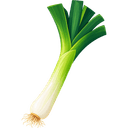
Leek
Allium ampeloprasum
Hardy allium harvested from autumn through winter. Earth up the stems as they grow to blanch and extend the white portion.
Overview
Companion Planting
 Carrot
 Celery
 Onion
OnionBad Companions
 Pea
Pea Green Bean
Toxicity
Contains N-propyl disulfide and other organosulfur compounds that cause oxidative damage to red blood cells, leading to hemolytic anemia; all forms (raw, cooked, dried, powdered) are toxic to pets.
Planting Tips
1 cm of water per m² equals 10 liters. Use the Watering Calculator for exact amounts.
Care Tip: Hill soil around the stems 2-3 times during the season, adding 5-8 cm each time, to blanch and lengthen the edible white shaft; mulch to retain moisture and suppress weeds.
Common Pests
Onion Thrips (Thrips tabaci)
Symptoms: Silvery-white streaks and stippling on leaves; heavily infested foliage appears bleached or distorted.
Treatment: Spray with insecticidal soap or neem oil; introduce beneficial insects such as lacewings and ladybugs.
Prevention: Remove plant debris, practice crop rotation, and use reflective mulch to deter thrips.
Leek Moth (Acrolepiopsis assectella)
Symptoms: Larvae mine into leaves and stems, creating windowpane-like patches and frass-filled tunnels that weaken the plant.
Treatment: Remove and destroy infested leaves; apply Bacillus thuringiensis (Bt) sprays when larvae are small.
Prevention: Cover crops with fine insect netting from spring onward; practice crop rotation and remove allium debris after harvest.
Onion Maggot (Delia antiqua)
Symptoms: Yellowing, wilting seedlings; larvae feed on roots and base of stems, causing rot and plant collapse.
Treatment: Remove and destroy affected plants; apply beneficial nematodes to the soil to target larvae.
Prevention: Use floating row covers at planting time, rotate crops away from allium beds for at least 3 years, and avoid excess organic matter near the soil surface.
Common Diseases
Leek Rust (Puccinia allii)
Symptoms: Bright orange-yellow pustules on leaves that spread and cause browning and premature leaf dieback.
Treatment: Remove and destroy infected foliage (do not compost); apply an approved fungicide if the infection is severe.
Prevention: Ensure good air circulation with adequate plant spacing, avoid overhead watering, and choose rust-resistant cultivars.
Downy Mildew (Peronospora destructor)
Symptoms: Pale green to yellow patches on upper leaf surfaces with grayish-purple fuzzy growth underneath; leaves wilt and collapse.
Treatment: Remove infected leaves promptly; apply copper-based fungicide sprays at the first sign of infection.
Prevention: Improve drainage, space plants widely, align rows with prevailing winds, and avoid watering foliage in the evening.
White Rot (Stromatinia cepivora)
Symptoms: Yellowing and wilting of leaves; fluffy white fungal growth and small black sclerotia appear on the roots and stem base.
Treatment: No effective chemical cure once established; remove and destroy all infected plants and surrounding soil immediately.
Prevention: Practice long crop rotation (5+ years without alliums), use certified disease-free transplants, and avoid moving soil from infected areas.